





1. Ms. Harris, in 2000 you moved from London to Spain with four young children, without speaking the language and without a concrete plan. What motivated you to take that leap?
I wanted my children to grow up with a freer, safer and healthier lifestyle. I have Spanish heritage, so I already understood how family-focused life is here. In Spain, children are welcomed everywhere and truly included in daily life.
People are open and friendly, and the rhythm of life is different. Life isn’t something that only happens at weekends or during holidays — it’s lived every day. That felt like the right environment for raising my children, even though moving with four young children and not speaking the language at the time was definitely a leap of faith.
2. How did you manage those first few months? Were there moments when you doubted your decision?
The first few months were definitely challenging, mainly because of the language/s Trying to deal with what felt like a huge amount of paperwork and bureaucracy without speaking Spanish fluently at the time was difficult.
There were also practical challenges. When looking for work, I discovered that qualifications often had to be formally validated in Spain, and sometimes they didn’t meet the exact criteria required. In many cases, official qualifications were considered more important than professional experience or references for mid-level jobs, which limited the options available.
Education was another adjustment. In the region where we initially lived, Catalan was the primary language used in schools, so that added another layer of adaptation for the children as well.
Because of those factors, my immediate work options were fairly limited. Like many native English speakers, I started teaching English while I continued improving my Spanish and building a new path forward.
Of course there were moments when I wondered if I had underestimated how complex the transition would be, but I never doubted the decision to move. I believed strongly in the lifestyle and opportunities Spain offered for my children, and that belief helped carry us through those early challenges.
3. Your journey first took you to Catalonia before you discovered the North. What was the deciding factor in making Galicia your permanent home?
Initially I chose Catalonia largely because of the climate. The warmer weather made outdoor living very appealing, especially with young children. Coming from a large city like London, I was also drawn to the vibrancy and opportunities that come with living near a major city, so having Barcelona nearby seemed like the right choice for both my family and my future at that time.
However, over time I realised it wasn’t quite the right fit for us. The political atmosphere was becoming increasingly dominant, and there was sometimes a lack of tolerance toward those who preferred to speak Castilian Spanish rather than Catalan. The summer tourism also became overwhelming, and the area began to feel less relaxed and less safe during peak season.
In the end, it was actually my children who made the decision for us. After spending a long summer holiday in Galicia, they simply didn’t want to go back to Castelldefels in Catalonia.
Galicia felt completely different. The people were incredibly welcoming and tolerant, life felt simpler and more authentic, and the environment was much calmer and safer, even during the summer months. It quickly became clear that Galicia offered the lifestyle we had originally come to Spain to find, and that’s when we knew it was the right place to make our permanent home.
4. How did your personal experience lead to the founding of your agency, Galicia & Green Spain Property? Was there something you felt was missing during your own property search at the time?
My own experience buying property in Spain was actually what inspired the creation of Galicia & Green Spain Property. When I first went through the process myself, I felt completely lost. I didn’t understand the procedures, the contracts, or how the purchasing process really worked.
It was also extremely stressful because, at the time, I had to place a lot of trust in banks and estate agents. Later I realised that many of them didn’t necessarily have my best interests at heart. As a buyer, especially as a foreigner, it can be very difficult to know who is truly representing you.
As my Spanish improved, I began volunteering with Age in Spain, helping other expatriates navigate many of the same challenges I had faced. I assisted people with bureaucracy, finding services, dealing with paperwork, and sometimes helping them with rentals or property purchases. It was a huge learning curve, but incredibly rewarding.
Eventually I was offered a paid role as the coordinator for Northern Spain for the same charity, supporting expatriates across the region. Unfortunately, after Brexit there were significant cuts to the organisation, and Northern Spain — having a smaller expatriate population — was one of the first areas to lose its position.
However, people continued to contact me for help even after the role ended. That was the moment I realised there was a real need for a service that truly supported international buyers and relocators. From that demand, the idea for Galicia & Green Spain Property & Relocation Services was born.
The goal was simple: to provide the kind of guidance, transparency, and support that I wish I had had when I first arrived in Spain.
5. You have team members from Germany and the Czech Republic. How is your client base currently structured and what are the biggest differences between nationalities in terms of what they look for or how they approach the buying process?
I’ve been very fortunate to build a small but very strong international team. Annika from Germany plays a key role in the business, particularly with administration, the website, and marketing. She is extremely tech-savvy, very methodical, and has an incredible attention to detail — the kind of person who keeps everything running smoothly behind the scenes. She’s also well travelled, speaks several languages, and has a real understanding of different cultures, which is invaluable when working with international clients.
Lucie, from the Czech Republic, brings a wealth of real estate experience from her time working in Tenerife. She has a deep understanding of the property sector but, equally importantly, she is a very warm and genuine people person. She really enjoys working closely with clients and guiding them through the process, which fits perfectly with the client-focused approach of our agency.
Together we complement each other very well.
In terms of our client base, it is quite international. We work with buyers from the UK, Germany, the Netherlands, Belgium, the United States, and increasingly other parts of Europe. While everyone is looking for a better lifestyle in the north of Spain, there are sometimes differences in how nationalities approach the buying process.
Northern Europeans, for example, often arrive very well prepared and research-focused, wanting detailed information before making decisions. British buyers tend to focus strongly on lifestyle and integration into the local community. Many of our American clients are discovering Galicia and Green Spain for the first time and are often drawn by the natural landscape, safety, and quality of life.
What they all have in common is that they are usually looking for authenticity — beautiful landscapes, a slower pace of life, welcoming communities, and a place that still feels genuinely Spanish rather than heavily developed for tourism.
That shared goal is really what brings most of our clients to Galicia and the wider Green Spain region.
6. Many people know Galicia only as part of the Camino de Santiago. What do potential buyers almost always overlook when they first experience the region beyond the pilgrimage routes?
One of the first things people notice once they spend time beyond the Camino routes is the way of life. Galicia has a slower, more balanced rhythm that revolves around family, community, and enjoying daily life rather than rushing through it. People still take time to talk, share meals, and spend time outdoors. That sense of community and connection is something many international buyers find incredibly refreshing.
Another thing that surprises people is how welcoming and friendly the local population is. Galicians are often described as quietly warm — perhaps a little reserved at first — but incredibly genuine and supportive once you become part of the community. Many of our clients are surprised at how quickly they feel at home.
The diversity of landscapes is also something that people don’t always expect. Within a relatively small region you can find dramatic Atlantic coastline, sandy beaches, forested hills, river valleys, vineyards, historic villages, and mountainous areas. It’s an incredibly green and varied landscape, which is why this part of Spain is often called Green Spain.
Then there is the food culture, which is exceptional. Galicia is famous throughout Spain for its seafood, meats, cheeses, and fresh local produce. Much of the food is locally sourced, seasonal, and very high quality. Simple dishes made with outstanding ingredients are at the heart of Galician cuisine — whether it’s fresh fish and shellfish, locally raised beef, or vegetables grown in small family gardens.
What many buyers ultimately discover is that Galicia offers something increasingly rare in Europe: authenticity. It hasn’t been overdeveloped, the traditions are still very much alive, and the lifestyle remains closely connected to nature, community, and good food.
For many people who come here expecting just a pilgrimage destination, that discovery is what makes them fall in love with the region and start imagining a life here.
7. Galicia is home to distinctive historic properties such as Pazos and Casonas. How would you describe a Pazo to someone unfamiliar with the term, who are the typical buyers today and what are the most common ways these estates are used?
A Pazo is a traditional Galician manor house, historically owned by noble or influential families from the 16th to 18th centuries. These estates were not only homes but also the centre of rural life and agricultural activity.
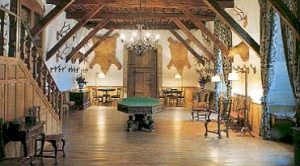
Architecturally, Pazos are usually large granite stone houses, often surrounded by beautifully designed gardens, orchards, woodland, and farmland. Many feature distinctive elements such as stone coats of arms above the entrance, internal courtyards, chapels, grand staircases, and traditional Galician structures like hórreos (raised stone granaries used to store grain). Camellia gardens are also very common, as Galicia has a long tradition of cultivating these plants.
To someone unfamiliar with the term, the easiest way to describe a Pazo is as Galicia’s version of a small historic country estate or manor house, combining architectural heritage with land and gardens.
Today the buyers tend to fall into a few different groups. Some are private individuals or families who fall in love with the history and want to restore the property as a unique residence. Others are international buyers or entrepreneurs who see the potential for hospitality projects such as boutique hotels, rural tourism accommodation, wedding venues, or retreat spaces. There are also investors interested in cultural or heritage restoration projects.
The most common uses today include private homes, boutique rural hotels, event venues, wellness retreats, or luxury holiday accommodation. Because many Pazos come with extensive grounds and historic character, they lend themselves very well to experiences that combine heritage, nature, and gastronomy.
What makes them particularly special is that owning a Pazo is often about preserving a piece of Galician history while adapting it for modern life. For many buyers, it’s not just a property purchase but a restoration and stewardship project that connects them deeply with the region’s culture and heritage.
8. Historic properties come with particular challenges such as heritage protection and complex renovations. How would you describe the legal and support framework in Galicia? Is it mainly an obstacle or is there meaningful assistance available?
Historic properties in Galicia, such as Pazos and traditional stone houses, do often come with additional layers of responsibility, particularly when they are protected under heritage regulations. Properties that are officially listed as heritage assets (Bien de Interés Cultural or similar protected status) must respect certain architectural and historical elements during renovation. This means that aspects such as façades, stonework, structural features, or historic gardens may need to be preserved.
At first glance this can seem like an obstacle, especially for international buyers who may not be familiar with Spanish planning procedures or regional heritage protections. Renovation projects can involve additional approvals, architectural reports, and coordination with local authorities.
However, it’s important to understand that these protections exist to preserve Galicia’s architectural heritage, which is one of the reasons the region remains so authentic and visually beautiful today.
In practice, with the right professional support, the process is very manageable. Working with experienced local architects, heritage specialists, and legal professionals is essential. They understand the regulations, how to prepare the necessary documentation, and how to communicate with local planning departments.
There are also situations where regional or local grants and incentives are available to support the restoration of historic buildings, particularly when the project preserves cultural heritage or contributes to rural tourism or economic activity in the area.
So while historic properties do require careful planning and professional guidance, the framework in Galicia is not simply restrictive. In many ways it helps ensure that these remarkable buildings are restored respectfully and preserved for future generations, while still allowing them to be adapted for modern use.
For buyers who appreciate history and architecture, restoring a historic property in Galicia can be an incredibly rewarding project, provided it’s approached with the right advice and realistic expectations from the start.
9. While Pazos are the showpieces of the market, most buyers have a romantic vision of living in a smaller, authentic stone house. Where can „everyday buyers“ currently find the best value in Galicia and what should they pay close attention to regarding the building fabric?
While Pazos attract a lot of attention, most buyers actually dream of owning a smaller traditional Galician stone house full of character.
Some of the best value can currently be found in rural areas of Lugo and Ourense, where depopulation has left many traditional homes available at relatively affordable prices, often requiring renovation. There are also good opportunities in smaller villages inland from the Rías Baixas or along the Costa da Morte, where buyers can still find authentic properties with land and outbuildings.
When viewing these homes, buyers should pay particular attention to the roof structure, as this is often the most significant renovation cost. It’s also important to check for moisture or drainage issues, ensure the structure is sound, and confirm that all buildings and extensions are properly registered legally.
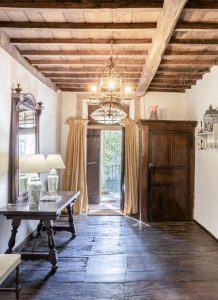
The encouraging part is that the granite walls typical of Galician houses are extremely durable, and with the right renovation they can become beautiful homes that preserve the region’s authentic architectural character.
10. Portugal is a popular destination for expatriates, but prices there have risen sharply. How does Galicia compare in terms of affordability and are you already seeing buyers who consciously choose Galicia over Portugal?
Portugal has certainly become very popular with expatriates, but in many areas—particularly in the Algarve—prices have risen significantly and some regions are beginning to feel the effects of saturation from both tourism and international migration.
Interestingly, the decision to choose Galicia over Portugal is not always driven purely by price. Portugal still offers attractive tax incentives for expatriates, which can be appealing. However, many buyers are increasingly looking for places that feel less crowded and more authentic, and this is where Galicia often stands out.
Southern Galicia, particularly the Rías Baixas, offers a climate quite similar to northern Portugal but with some natural advantages. The estuaries help protect the coastline from the harsher Atlantic winds and weather, creating a milder and very pleasant environment. At the same time, the summers tend to be more comfortable than in southern Portugal, where temperatures can become extremely high.
Lifestyle also plays a major role. Galicia offers excellent cuisine, a relaxed pace of life, and a rich calendar of local fiestas and festivals. Spain also tends to provide stronger employment conditions and salaries compared with Portugal, which can be important for families who intend to work locally.
Language is another factor for some buyers, as Spanish is often more widely spoken internationally than Portuguese, making integration a little easier for many newcomers.
Another unique advantage of living in southern Galicia is the proximity to Portugal. Residents can easily enjoy the villages, beaches, and culture of northern Portugal while benefiting from life on the Spanish side of the border. In fact, many regular visitors to Galicia are Portuguese themselves, which reflects the close cultural connection between the two regions.
11. The global economic and geopolitical situation is currently challenging. How do you assess the current market dynamics and where do you see Galicia in ten years, especially in terms of prices and the origin of buyers?
Galicia has certainly seen a noticeable increase in interest from international buyers in recent years. This has already begun to influence prices, particularly in coastal areas and cities, where demand for homes and rentals has grown.
At the same time, we are seeing a different trend emerging. Many buyers are not only looking for coastal properties but are also increasingly interested in restoring traditional stone houses in rural areas. These locations often offer beautiful natural surroundings, rivers, and countryside, while still being within a reasonable distance of towns, cities, airports, and the coast. For many people, that balance between nature and accessibility is very attractive.
Looking ahead, I believe this type of investment could have a very positive impact on the region. The restoration of traditional homes and the arrival of new residents can help bring life back to villages that have experienced depopulation, while also supporting local trades such as builders, architects, and craftspeople.
Ideally, this renewed interest will also help strengthen local economies, improve opportunities for young people, and encourage continued investment in infrastructure such as roads, communications, and public transport so that more rural areas remain connected and viable places to live.
Over the next ten years, I expect Galicia will continue to attract a diverse international buyer base, particularly from northern Europe and North America, but hopefully in a way that allows the region to grow carefully while preserving the authenticity, landscapes, and culture that make it so special in the first place.